


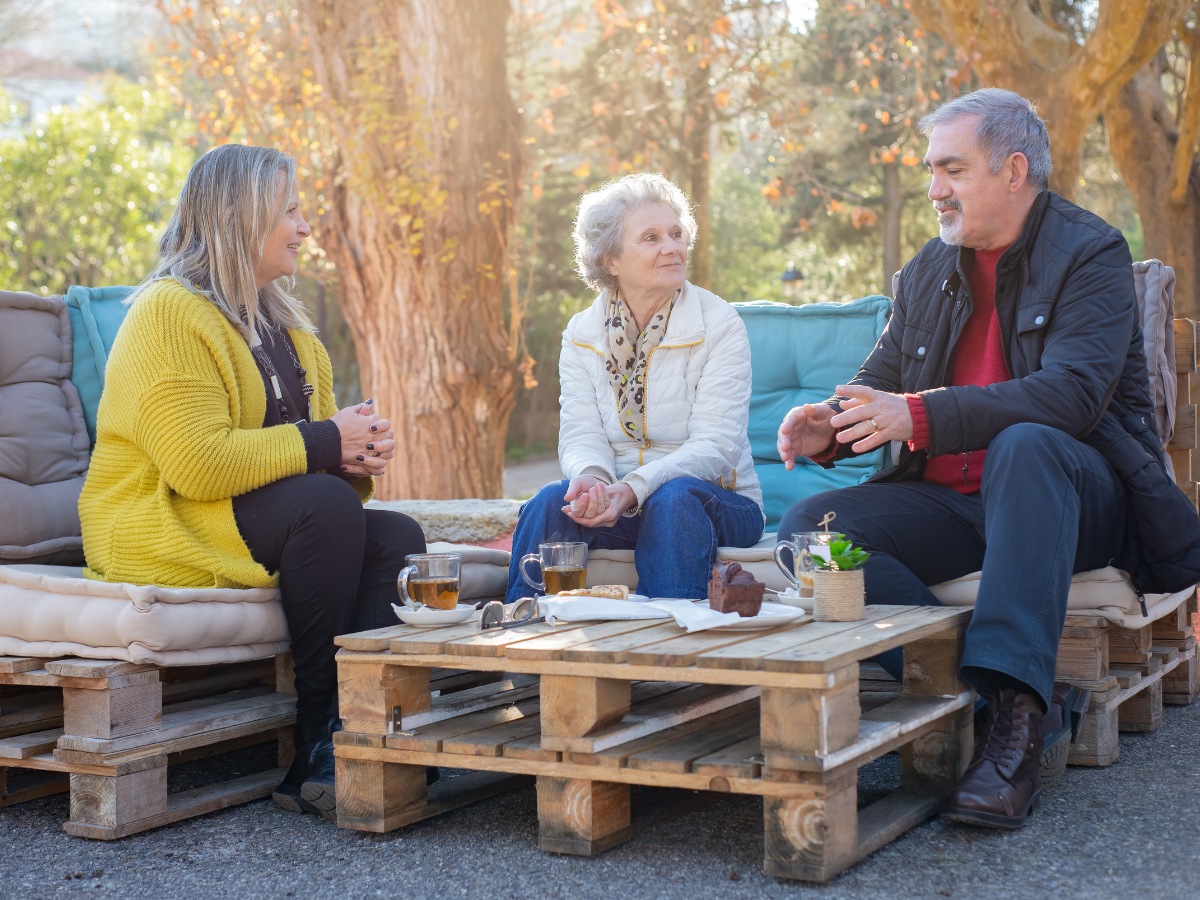
Loneliness and Social Isolation Are Not the Same
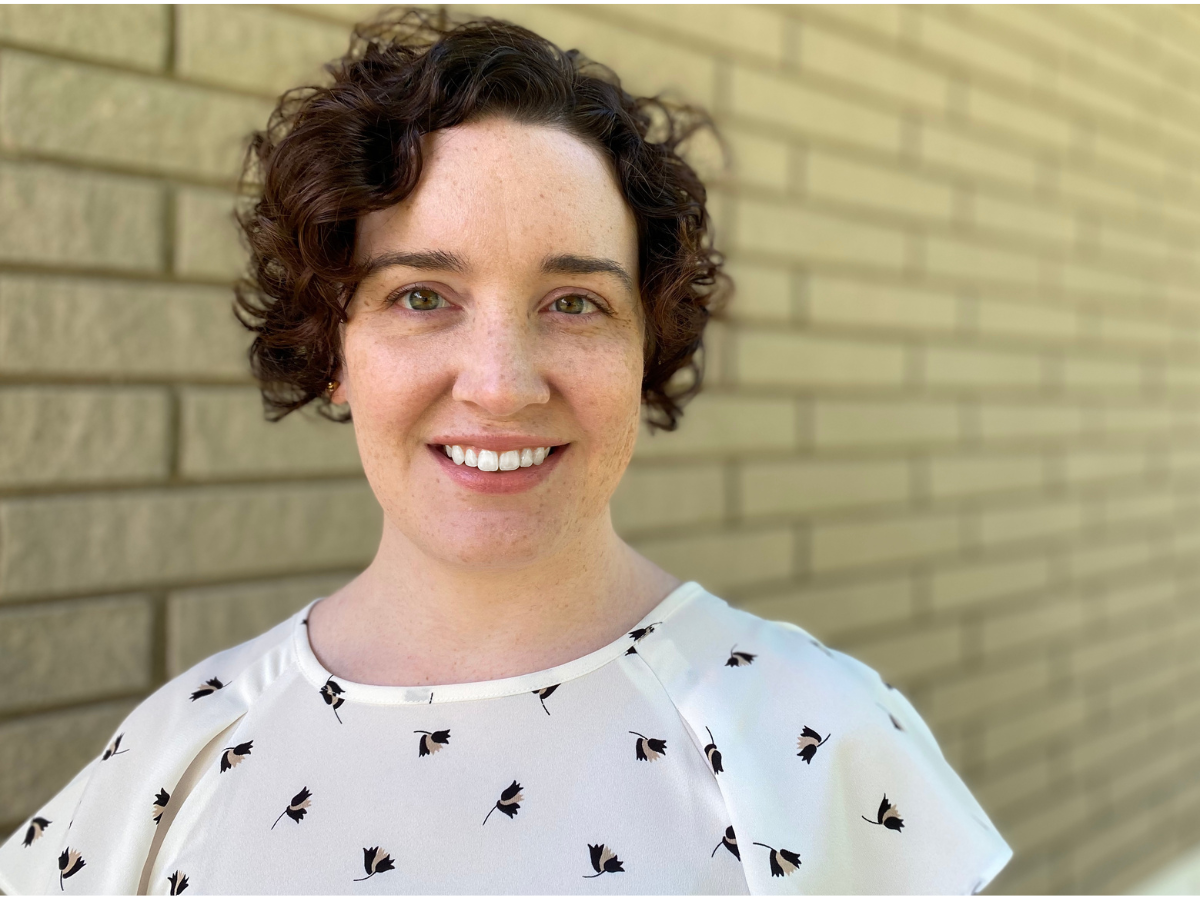
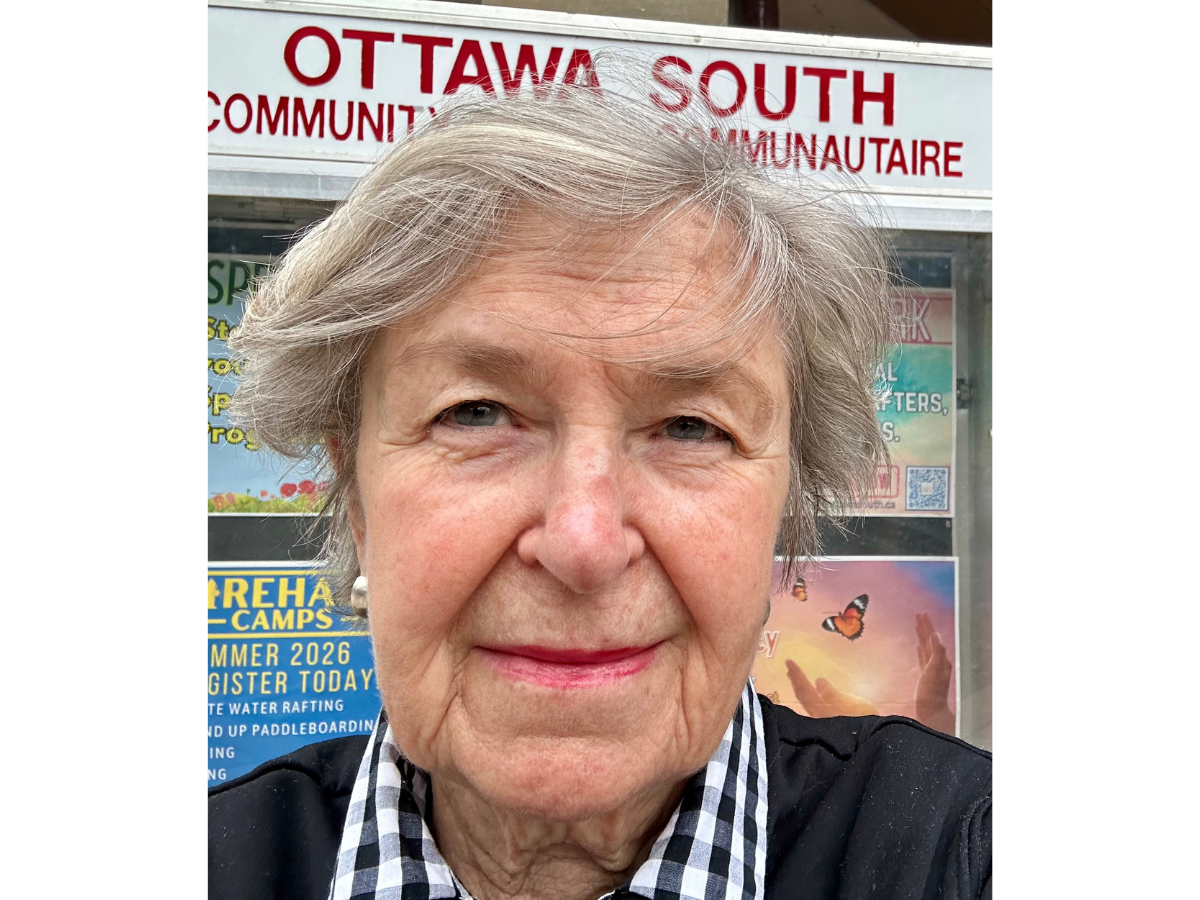
When people think about challenges facing older adults, the words “loneliness” and “social isolation” often come quickly to mind. But while these terms are frequently used interchangeably, researchers Amanda Montague of Carleton University and Anna Cuylits of Senior Watch Old Ottawa South believe the issue is far more nuanced—and far more hopeful—than many people realize.
In a recent conversation on the Living to 100 Club podcast, Amanda and Anna shared insights from their innovative community-based research exploring how older adults experience connection, belonging, and social participation in everyday life. Their work focused not simply on identifying problems, but on understanding what actually helps people feel connected.
One important distinction emerged early in the discussion: social isolation and loneliness are not the same thing. Social isolation refers to the objective quantity of social connections a person has. In contrast, loneliness is a subjective feeling of disconnection. Someone can live alone without feeling lonely, while another person may feel lonely despite being surrounded by others.
Looking Beyond “Isolation”
Rather than framing their project around “isolation,” Amanda and Anna intentionally approached participants through the broader and more welcoming lens of social connection. Working with approximately 60 older adults in Ottawa, they used participatory methods. These methods included workshops, storytelling, mapping exercises, and community discussions to better understand how connection happens naturally within neighborhoods.
One of the strongest findings was that meaningful social interaction often develops in informal and accessible spaces. This is different from formal programming alone. Senior centers and organized activities remain valuable. However, many older adults described the importance of simple “third spaces” where people can gather casually without pressure, schedules, or expectations.
The Importance of Everyday Gathering Spaces
Friendly coffee shops, independent stores, neighborhood parks, pharmacies, walkable streets, outdoor benches, shaded areas, and local gathering spots all played an important role in helping people remain socially engaged. In many cases, connection was fostered not by major interventions. Rather, it was fostered by small environmental features that encouraged people to linger, converse, and participate in community life.
The conversation also highlighted the importance of practical accessibility. Transportation challenges, limited parking, unreliable public transit, lack of seating, mobility barriers, and even extreme weather conditions can quietly contribute to social withdrawal over time. Amanda and Anna emphasized that creating age-friendly communities often requires attention to these everyday realities.
Small Invitations Can Make a Big Difference
Another encouraging finding was that many older adults are more open to connection than people assume. In some cases, individuals who initially appeared isolated became active participants once invited into welcoming environments. Invitations come through personal outreach, free workshops, neighborhood events, or word-of-mouth encouragement.
The researchers also discussed the power of informal networks of care—neighbors helping neighbors, community repair events, local volunteers, and partnerships between organizations working to support aging in place. Their work suggests that stronger coordination among existing community resources may sometimes be just as important as creating entirely new services.
Rethinking Healthy Aging
For professionals working in aging services, the discussion serves as an important reminder: healthy aging is not determined solely by medical care or formal support systems. Emotional well-being, social participation, accessible environments, and opportunities for meaningful connection are equally vital components of quality of life.
Perhaps most importantly, the conversation challenged the assumption that loneliness among older adults is inevitable. Communities can take practical steps to foster connection, belonging, and participation. Importantly, these often relatively small changes can make a meaningful difference.
As Amanda and Anna’s work demonstrates, connection is not simply about the number of people around us. It is about feeling welcomed, included, seen, and valued within the everyday spaces where we live our lives.
Takeaways to Remember
1. Loneliness and Social Isolation Are Different
A person can be socially connected and still feel lonely, while another person may live alone without feeling isolated. Understanding this distinction helps communities and families respond more thoughtfully to the emotional needs of older adults.
2. Connection Often Happens in Everyday Places
Meaningful social interaction is not limited to formal programs or organized events. Walkable neighborhoods, welcoming gathering spaces, outdoor seating, friendly local businesses, and accessible community environments all play an important role in helping people stay connected and engaged.
3. Small Acts of Invitation Matter
Many older adults are more open to connection than we sometimes assume. Personal outreach, informal conversations, neighborhood events, and inclusive community activities can make a significant difference in helping people feel welcomed, valued, and involved.
4. Informal Connection Matters in Senior Living Communities
For senior living communities, the findings suggest that meaningful connection is not created only through scheduled activities and formal programming. Casual gathering spaces, welcoming seating areas, spontaneous conversations, outdoor environments, and opportunities for residents to connect naturally throughout the day may be just as important in supporting emotional well-being and reducing feelings of loneliness.
Postscript
This article is adapted from a recent episode of the Living to 100 Club podcast hosted by Dr. Joseph Casciani. It featured Amanda Montague of Carleton University and Anna Cuylits of Senior Watch Old Ottawa South.
As a psychologist specializing in aging and mental health, I continue to believe that social connection deserves far greater attention in discussions about healthy aging, emotional well-being, and community life. The ability to feel connected, welcomed, and valued affects not only older adults, but the health and vitality of entire communities. Through conversations like these, my hope is to continue elevating awareness of the important role that connection, participation, and belonging play across all stages of life.