


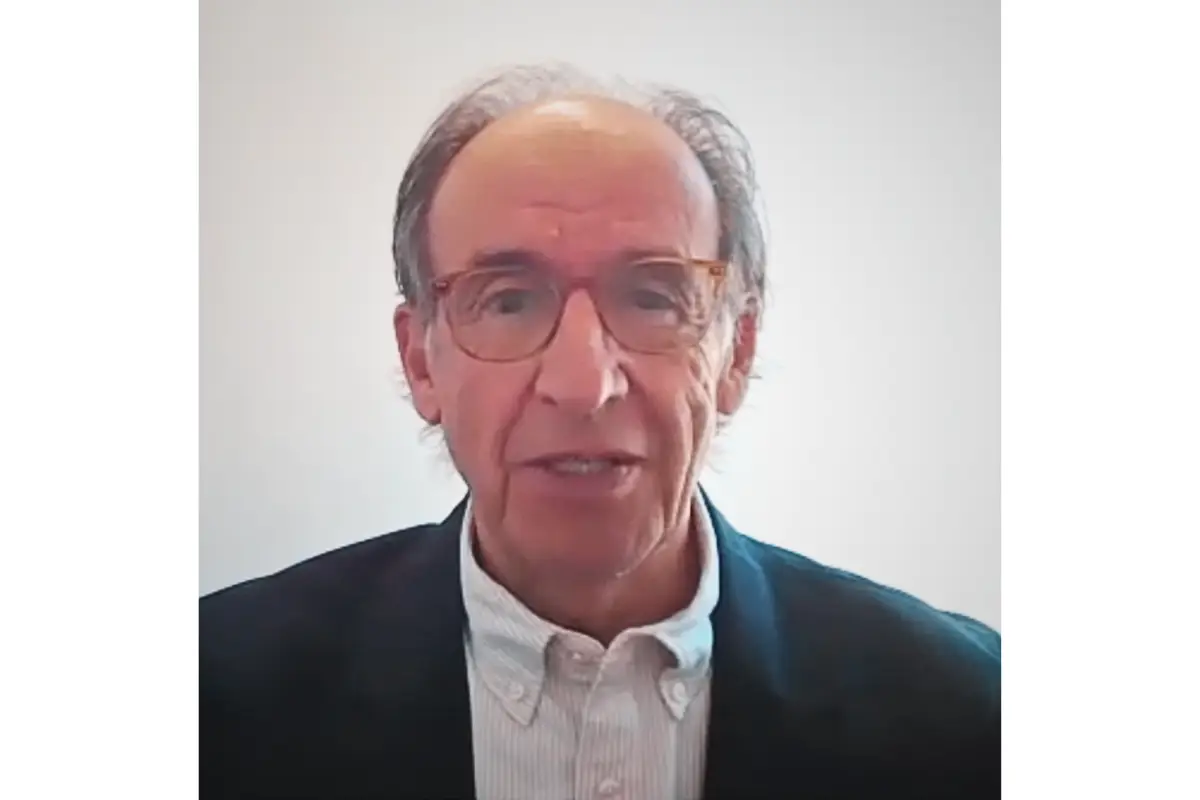
In this episode of the Living to 100 Club, we explore how to age well. The focus is on staying engaged, purposeful, and connected in later life.
Drawing on over four decades of experience, Dr. Joe Casciani shares practical insights and tools. These are designed to help individuals and families navigate aging with intention.
This program includes a format twist. Dr. Hugh Pates steps into the interviewer’s role. He explores the work and philosophy of Living to 100 Club host, Dr. Joe Casciani.
With more than four decades of experience working with older adults, Joe reflects on what first drew him to the field of aging. He shares what he observed early in his career that continues to shape his work today. In long-term care settings and beyond, he noticed a common pattern: following setbacks such as illness, loss, or changes in independence, many individuals begin to withdraw. While these transitions are undeniably difficult, Joe emphasizes that we spend far less time helping people adapt, regain footing, and ask an essential question: What’s next?
This conversation explores a central theme of Joe’s work. Of course, we have made tremendous progress in extending lifespan. However, we have not devoted equal attention to helping people manage the psychological and practical challenges that come with living longer.
Joe discusses his book, Living Longer IS the New Normal, which challenges outdated assumptions about aging. He introduces a more hopeful and realistic perspective—one that emphasizes continued growth, purpose, and engagement in later life.
From there, the discussion turns to the development of several practical tools designed to translate these ideas into everyday use:
- Better, Longer & Happier (BLH) Card Decks – A series of structured, psychology-based prompts designed to facilitate meaningful conversations and engagement in senior living communities
- Conversation Starter Workbook – A guided resource for individuals and families to foster deeper, more meaningful conversations
- Living to 100 Planner – A comprehensive tool for organizing essential life information and reducing stress for families during times of need
- Living to 100 Companion – A daily reflection resource to encourage ongoing engagement and intentional living, in the form of a cell phone app
Throughout the episode, Joe emphasizes that these tools are not about “filling time.” Instead, they are about creating opportunities for connection, reflection, and dignity. This is true whether in group settings, family conversations, or personal practice.
Taken together, they represent a broader system designed to support people at different stages and needs. These are all centered around a common goal: helping individuals remain engaged, purposeful, and connected as they age.
Key Takeaways
- Living longer requires a shift in mindset—not just medically, but psychologically
- Setbacks are inevitable, but adaptation and re-engagement are possible
- Many older adults seek deeper connection—not just activity
- Practical tools can help translate insight into meaningful daily action
- Aging well is not accidental—it benefits from intention and structure
Resources & Links
- Explore tools and resources: www.livingto100.solutions
- Join the Living to 100 Community: www.livingto100.community
- Learn more about Dr. Casciani: www.livingto100.club