


Retirement doesn’t have to mean downsizing your life. For many, retirement homesteading is the beginning of a new chapter—one filled with hands-on hobbies, deeper family connections, and a reconnection to nature. If you’ve been toying with the idea of starting a homesteading hobby or making more room for visiting grandkids, now’s the time to consider upsizing rather than scaling back. It might sound counterintuitive, but a bigger home with more land can offer both freedom and purpose, especially if you find the right property at the right price. What follows is a practical roadmap to help you navigate this transition without overwhelming your finances or your peace of mind.
Reframing Retirement: Upsizing for Homesteading
You’ve likely been told that retirement means reducing your expenses and possibly moving into a smaller, more manageable space. But for those whose passions lean toward gardening, animal husbandry, woodworking, or just hosting regular family gatherings, a larger home with land might be a better match. Instead of feeling restricted by square footage, imagine the satisfaction of producing your own food, watching kids play in a large backyard, or finally having a room dedicated to your crafts. Retirement doesn’t mean retreat—it’s about rediscovery.
Turning Your Homesteading Hobby Into a Business
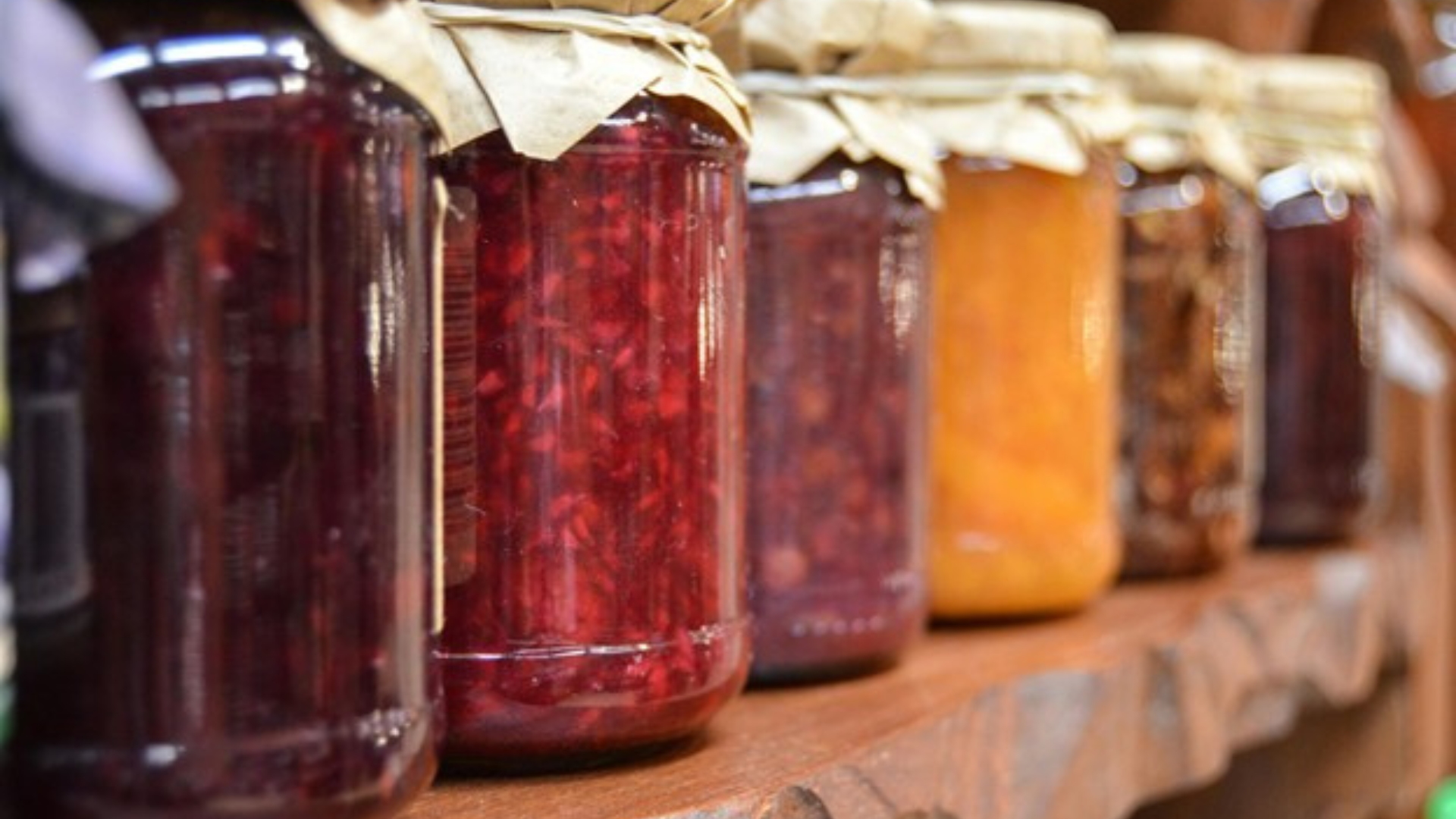
What starts as a hobby can grow into a full-fledged enterprise with a bit of structure and vision. Whether you’re selling handmade soaps, fresh produce, or home-canned jams, the market for local, artisanal goods is strong. To succeed, you’ll need a grasp of pricing, branding, customer service, and bookkeeping. That’s where education can give you an edge. You can earn your business degree online to build skills in accounting, business strategy, communication, or management. Online degree programs make it easier to juggle your new venture while staying committed to your daily responsibilities and homesteading passion.
Prioritizing Land and Layout for Purpose
When searching for a retirement-friendly homestead, land should be your top consideration. You don’t need a ranch, but a few usable acres can make all the difference. Look for flat, fertile ground with good sun exposure, as it’ll be crucial for gardening or small-scale farming. Also, consider the orientation and layout of the house. Open floor plans make entertaining easier, while single-level designs are a safer bet for aging in place. Basements and barns can double as storage or workspaces. And if you’re interested in livestock or poultry, check for existing fencing, zoning permissions, and water access on the property.
Balancing Budget and Value
Upsizing doesn’t have to break the bank. Start by getting clear on your current financial picture. If you’re living mortgage-free now, you may be able to put a substantial down payment on your next home. Look into rural development loans, reverse mortgages, or using proceeds from selling your current home. Keep an eye out for properties just outside major urban zones, where land is more affordable. Some areas also offer tax breaks or incentives for retirees. A reputable real estate agent familiar with homestead-friendly communities can be invaluable in identifying homes that fit your budget and goals.
Supporting Your New Life
As you tour homes, don’t just look at bedrooms and bathrooms. Pay close attention to features that will support both your hobbies and your lifestyle. A detached garage or shed can serve as a workshop. A sunroom can become a greenhouse or canning station. Energy-efficient appliances and solar panels can reduce utility costs and make you more self-reliant. Accessibility is key, too—look for wide doorways, walk-in showers, and main-level laundry rooms. These small conveniences can make a big difference as the years go on. Also think about storage. Between gardening supplies, tools, family heirlooms, and holiday decor, you’ll want plenty of space to stay organized.
Entertaining and Income Potential
A larger home also opens the door to broader uses. You might host church groups, farm tours, volunteer meetings, or book clubs. Your space could double as a mini-event venue for birthdays and anniversaries. And if you’re into hospitality, converting part of your home into a short-term rental or a cozy B&B can bring in extra income while letting you share your peaceful setting with others. Even a seasonal farm stand at the edge of your property—selling vegetables, eggs, or crafts—can help offset living expenses and make you part of the local economy. Retirement isn’t about slowing down; it’s about evolving with intention.
Getting Involved in Your Community
When hunting for your ideal homestead, think about your proximity to health care, grocery stores, and loved ones. While rural living offers peace and space, it also means longer drives. Find a location that gives you the privacy you crave but keeps you connected to essential services. Look into community events, local ordinances, and neighborhood dynamics. Are there other homesteaders nearby? Is there a weekend farmer’s market or community garden? Having a local network can be especially valuable if you’re new to country living. And remember, internet access matters if you plan to run a business or stay in close touch with your family.
Retirement isn’t a finish line—it’s a chance to live with more purpose, more joy, and more space to be yourself. Buying a larger home doesn’t have to be a financial burden if you go in with a plan, prioritize the features that matter, and make space work for you and your family. Whether you’re planting tomatoes, teaching your grandkids how to swing a hammer, or sipping tea under the stars with lifelong friends, your new home can become the centerpiece of a deeply fulfilling retirement. With the right mindset, you’re not just buying property—you’re building a legacy.
Embrace the journey to a vibrant and fulfilling life with the Living to 100 Club, where aging is not just a goal but a mindset. For more information on aging well, see our article on “A Gym Membership for Your Brain.”
Post-Script from Dr. Joe Casciani
Many thanks to Kent Elliot for another thoughtful contribution. Kent is the owner of At Home Aging. Info. The transition to an “empty nest” can be both challenging and freeing—a perfect time to refocus on purpose, explore new opportunities, and embrace growth in this next chapter. These ideas are central to our mission at the Living to 100 Club. Whether through our Better, Longer & Happier card decks, our podcast conversations, or the interactive Living to 100 Community, we’re here to support the journey toward aging well—with meaning, engagement, and optimism.
Ready to explore your next chapter? Join our Living to 100 Community for insights, conversations, and resources that support living better, longer, and happier.