


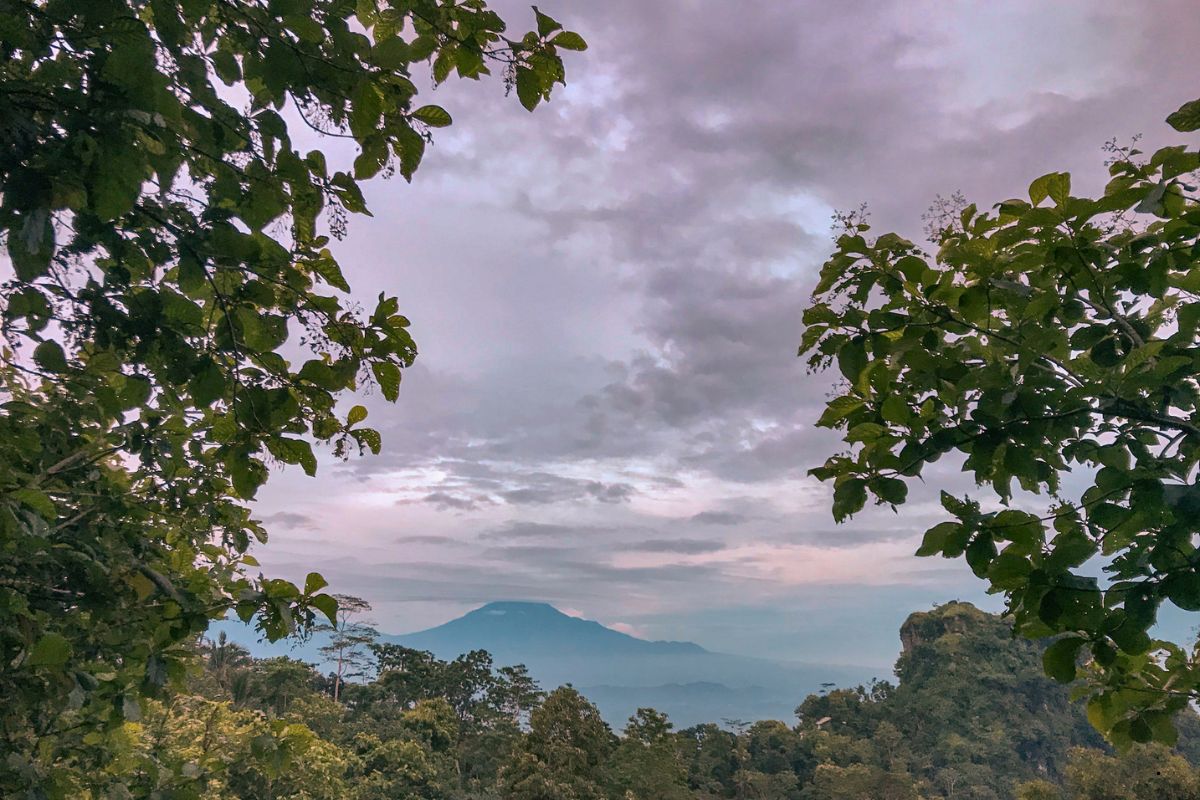
“One day, the mountain that is in front of you will be so far behind you, it will hardly be visible in the distance. But the person you become in learning to get over it? That will stay with you forever, and that is the point of the mountain.”
— Brianna Wiest
When people talk about living to 100, we tend to focus on the summit—the destination, the milestone, the achievement.
The number itself becomes the goal: 90…95…100 and beyond. Like standing at the top of a mountain, it represents achievement, survival, and perhaps even victory.
But the real story of longevity is not the summit.
It is the climb.
Anyone who has ever climbed a mountain—or worked toward any meaningful goal—knows that the climb changes you. The terrain shifts. The weather changes. You become tired. Sometimes discouraged. Sometimes uncertain whether you can continue. Yet each step forward asks something new of you.
Living longer works much the same way.
Longevity is not simply a biological process. It is a psychological and emotional journey that requires continual adaptation. Along the way, we are challenged to adjust to losses, health changes, changing roles, disappointments, and uncertainty. We learn to let go of old identities while discovering new sources of purpose and meaning.
The climb asks us to develop resilience.
It also asks us to continue engaging rather than withdrawing. And to remain curious rather than fearful. As well, we are asked to adapt rather than surrender.
And in the process, something important happens.
We begin to discover strengths we may not have known we possessed.
“I can handle more than I thought.”
“I can begin again.”
“Loss does not define me.”
“Meaning is something I continue to create.”
These are not simply outcomes of aging well. They are transformations that occur because of the climb itself.
Perhaps that is why some older adults seem to radiate a quiet wisdom and steadiness. Their lives have not necessarily been easy. In fact, many have endured profound losses, setbacks, disappointments, and reinventions. But they kept climbing. And the climb shaped them.
This may be one of the most important reframes in how we think about aging and longevity.
Reaching 100 is an outcome.
Becoming the kind of person who can continue climbing through life’s changing terrain—that is the real achievement.
The mountain, in many ways, is secondary.
Who we become on the journey is what lasts. So, the real story of longevity is not the summit. It’s the climb.
Author’s Bio
Dr. Joseph Casciani is a psychologist, speaker, and founder of the Living to 100 Club, where he explores the psychological side of aging well — including resilience, purpose, mindset, and meaningful living later in life. Through his podcast, writings, presentations, and educational resources, he encourages a more balanced and hopeful conversation about aging. Learn more at Living to 100 Club.