


By Joseph M. Casciani, PhD
How much time do we spend worrying about things we cannot change?
Think about the conversations we replay in our minds, the decisions we wish we’d made differently, or the unexpected events that disrupt our plans.
An illness, a fall, the loss of someone close to us, or a change in our living situation can leave us feeling uncertain about what comes next.
After more than 40 years of working with older adults, one of the most important lessons I’ve learned is that there is a difference between what happens to us and how we respond to what happens. We have all heard the saying, “We can’t control what happens to us, but we can control how we react to it.”
Understanding that difference can make a significant impact on how we manage life’s setbacks.
The Energy We Spend on Things We Cannot Change
Think about how much time we sometimes spend revisiting the past. We replay conversations, question decisions, and wonder what might have happened if we’d taken a different path.
Perhaps we regret something we said to a family member years ago. Maybe we criticize ourselves for a financial decision or a missed opportunity. We can spend hours thinking about these events, even though no amount of worrying will change what happened.
I’ve met many older adults who carry these regrets for decades. Some are remarkably hard on themselves, judging past decisions with the knowledge and perspective they have today. In many instances, if we could do it over, we might act differently.
But here’s the important distinction: We cannot change a past event, but we may be able to change our interpretation of it.
We can look at what we knew at the time, consider the circumstances, and perhaps offer ourselves the same understanding we would extend to a friend.
That doesn’t erase the past. It changes our relationship with it.
Finding the Control We Still Have
Consider someone recovering from a fall. Suddenly, everyday activities become difficult. There may be pain, restrictions on movement, dependence on others, and uncertainty about recovery.
It’s understandable to feel frustrated, discouraged, or frightened.
The person cannot simply decide to make the injury disappear. But there may still be important choices available: participating in rehabilitation, asking questions about treatment, accepting help, staying connected with friends, and setting small, realistic goals.
These actions don’t guarantee a particular outcome. They do, however, help restore a sense of personal influence.
This is an important psychological principle. Having some control over our actions and decisions can help us feel less helpless, even when we cannot control the larger situation.
And the same principle applies to many other challenges of aging, including changes in health, retirement, family relationships, and the loss of independence.
Our Thoughts Are Not Always Facts
Another area where we can exercise influence is how we interpret situations.
Suppose an older adult begins thinking, “I’m becoming a burden to everyone.”
That thought may arise automatically after needing help with transportation or household tasks. It can feel convincing, especially when someone has been independent throughout life.
But is it true?
Perhaps family members are glad to help. Perhaps accepting assistance today allows that person to maintain independence in other important areas.
Learning to question our assumptions is not the same as pretending everything is fine. It’s an opportunity to consider a more balanced interpretation.
We may not be able to prevent every discouraging thought from entering our minds, but we can become more aware of how those thoughts influence our feelings and behavior.
Pick Your Battles
One of the messages I emphasize in my presentations is that we need to distinguish between what we can control, what we can influence, and what lies beyond our control.
We cannot control the weather, the passage of time, other people’s opinions, drivers on the road, or every change in our health.
But we often have choices about how we spend our time, how we treat others, what we pay attention to, and what steps we take when difficulties arise.
We can also learn when to stop fighting a situation that cannot be changed and redirect our energy toward something more constructive.
Acceptance, in this sense, is not giving up. It’s recognizing reality while identifying what remains possible.
A Small Exercise for the Week Ahead
Think about a situation that’s currently troubling you. It might be a health concern, a family disagreement, an unexpected change, or something you’ve been worrying about for some time.
Ask yourself three questions:
- What part of this situation is beyond my control?
- What can I influence through my choices, actions, or conversations?
- Where would my time and energy be most useful right now?
You may discover that the situation itself hasn’t changed, but your approach to it can.
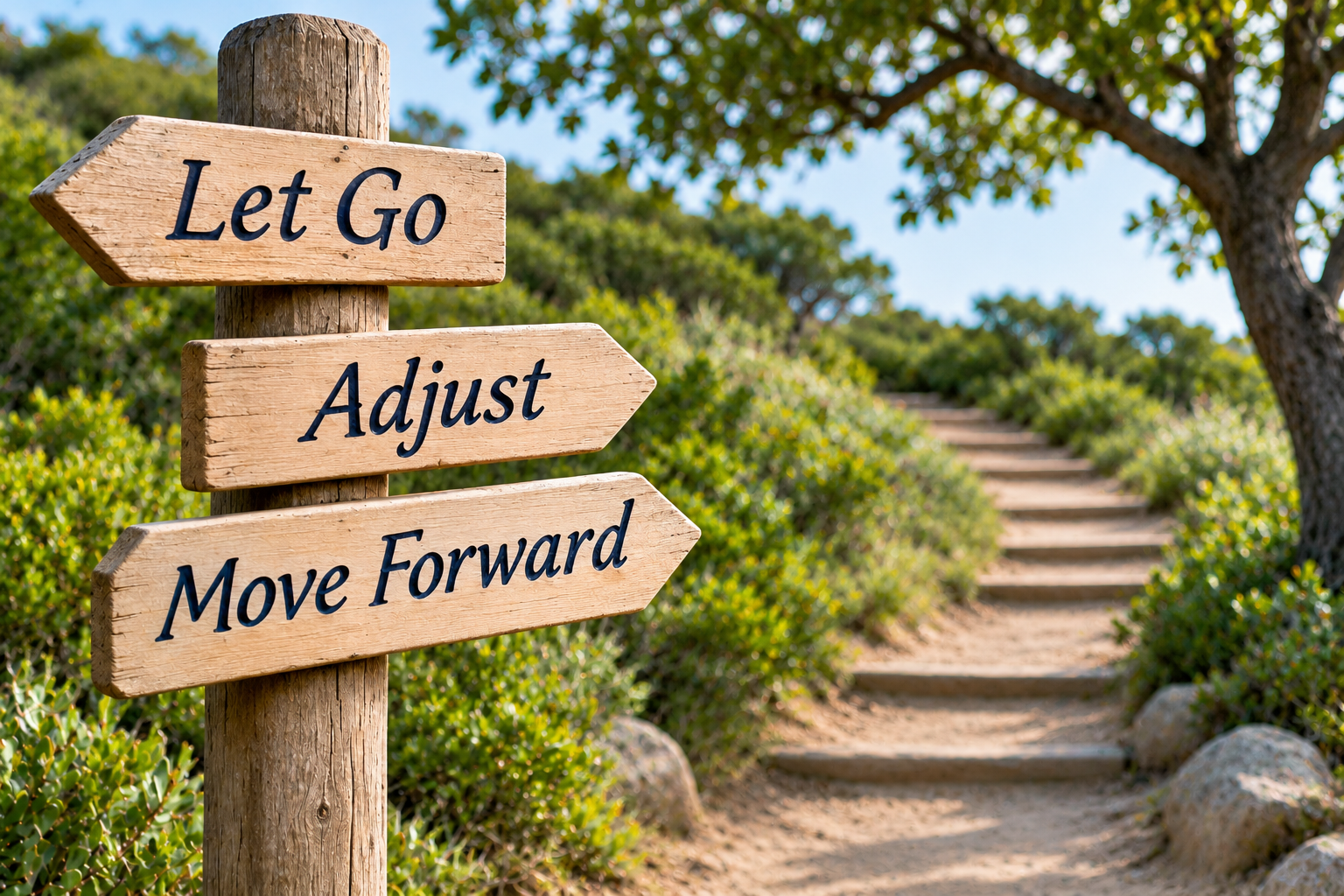
And that can be the beginning of moving forward.
Aging well doesn’t mean avoiding setbacks. It means learning how to respond when life doesn’t go according to plan.
Sometimes the most important step is simply knowing which battles are ours to fight—and which ones we can finally put down.
And sometimes, Plan B turns out to be better than Plan A anyway.
About the Author
Joseph M. Casciani, PhD, is a geropsychologist with more than 40 years of experience working with older adults. He is the founder of the Living to 100 Club, author of Living Longer IS the New Normal, and host of the Living to 100 Club Podcast. Through his presentations and educational programs, he helps older adults develop the outlook and coping skills needed to age well.
Editorial note: This article is adapted from one of the nine strategies presented in Dr. Casciani’s talk, “Embracing the Upside: A Psychologist’s Insights About Aging Well and Managing Setbacks,” offered to senior living communities and professional organizations. The concepts and clinical perspectives in this article are drawn from his professional experience and presentations. The article was developed with writing and editorial assistance from ChatGPT, an AI tool created by OpenAI.