
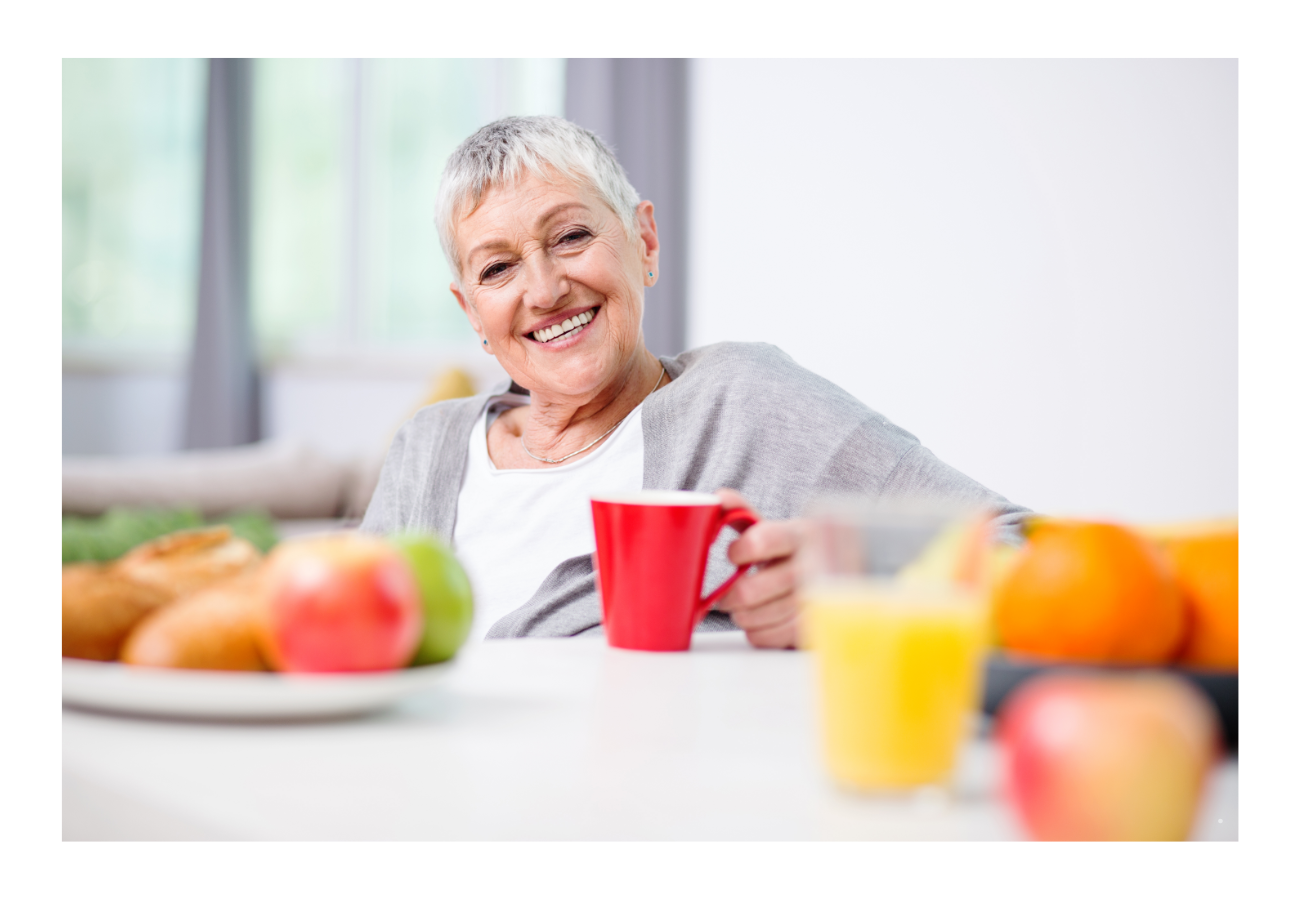
A recently published survey of centenarians by United Healthcare, covered in the news by NPR, reveals a surprisingly active, engaged, and optimistic portrait of people who have reached 100 and beyond. Rather than resting on their laurels, many report living full lives, underscored by everyday habits that promote longevity, well-being, and a youthful energy. NPR Illinois+2NPR Illinois+2
What centenarians are doing
According to the survey of 100 centenarians:
- Nearly half do strength training at least once per week, strengthening muscles and supporting mobility.
- About 42% regularly walk or hike, and many more engage in activities like gardening — nearly 30% said they still worked in their garden.
- Roughly 36% use stress-relief practices, such as meditation.
- Two-thirds describe their diet as “healthy.”
Rather than relying on a single “magic habit,” these centenarians follow a holistic lifestyle combining physical activity, balanced nutrition, stress management, and meaningful engagement. As a geriatrician from UnitedHealthcare noted, “It’s not just one thing … it’s a holistic approach.”
Mindset, Purpose, and Outlook
Beyond physical health, many centenarians report a strong sense of purpose and emotional well-being:
- Most say they feel decades younger than their chronological age, resisting the identity of “old.”
- Humor, curiosity, and engagement in meaningful activities, from reading and gardening to creative or social pursuits, remain central to their daily lives.
- Many mention a gradual, gentle recognition of normal age-related changes (slower recovery, more need for rest), but without giving up what brings them joy and connection.
What This Means for Aging Well
This emerging portrait of 100-year-olds challenges stereotypes that associate centenarian status with frailty, slow decline, and disengagement. Instead, the most robust and satisfied among them are those who stay active body and mind maintain social connections, and nurture purpose.
For professionals in the aging field and individuals themselves, the message is clear: longevity and vitality aren’t reserved for a genetic elite. They are greatly shaped by daily habits, mindset, and social engagement, areas we can influence through programming, coaching, and community-building. This makes the findings from the UnitedHealthcare survey not just interesting trivia, but a call to action: support older adults in engaging movement, resilience, meaningful purpose, balanced nutrition, and social connectedness, all cornerstones of what I emphasize in the Better, Longer & Happier framework.
Closing
Thanks for reading, and for continuing to invest in your own journey toward healthier, more purposeful aging. If you’re looking for practical resources to support that journey, visit my store for several year-end specials. Use HOLIDAYCHEER20 for 20% off your purchase. For more resources on healthy aging and longevity, visit the Living to 100 store.
Here’s to better, longer, and happier days ahead.
— Dr. Joe Casciani