
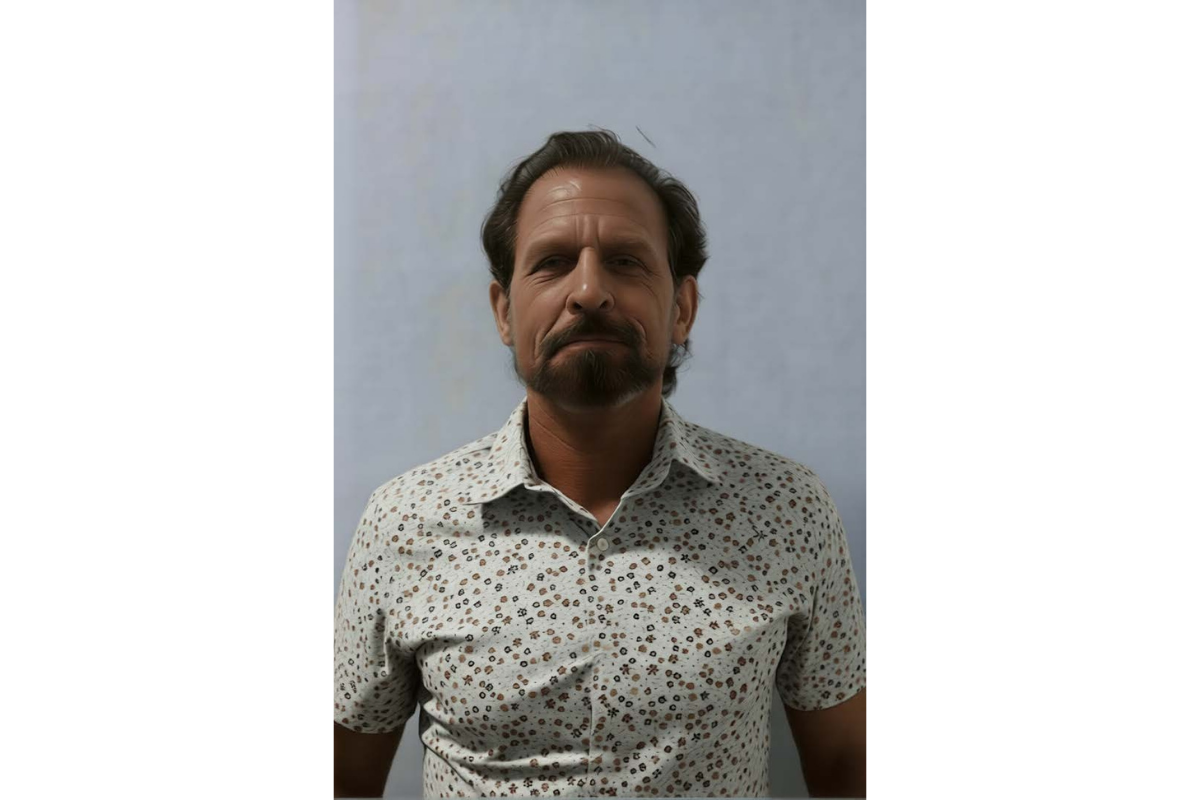
What if improving blood flow—and potentially enhancing heart health, energy, and even cognitive function—didn’t require surgery? In this Living to 100 Club episode, we explore EECP therapy, a non-invasive treatment designed to improve circulation and support cardiovascular health.
I speak with Jack Clifford about his personal experience with Enhanced External Counterpulsation (EECP). EECP is a non-invasive therapy designed to increase circulation and support cardiovascular function. Originally developed as a treatment for patients with severe angina, EECP remains relatively underutilized in the United States. This is despite FDA clearance and Medicare coverage in certain cases.
Jack shares his journey with EECP, including the improvements he experienced in energy, sleep, and overall well-being. We also explore the broader potential of this therapy. What are its possible applications for conditions such as cognitive decline, long COVID, and other circulation-related concerns.
Our conversation goes beyond the medical procedure itself. We touch on larger questions about innovation in healthcare. This includes why some treatments gain traction while others remain on the margins, and what individuals can do to advocate for their own health.
As always, this discussion is intended to inform and inspire curiosity—not to replace medical advice. Listeners are encouraged to consult with qualified healthcare professionals when considering treatment options.
Key Topics Covered
- What EECP is and how it works
- Jack’s personal experience and outcomes
- The standard treatment protocol and what patients can expect
- Why EECP remains underutilized in the U.S.
- Research findings and emerging applications
- Considerations, risks, and accessibility challenges
- The role of patient advocacy in exploring treatment options
Listener Takeaways
- There may be non-surgical approaches to improving circulation and cardiovascular health
- Some therapies remain underrecognized despite clinical research and regulatory approval
- Personal health outcomes can improve through a combination of medical intervention and self-awareness
- Staying informed and asking questions is an important part of managing one’s own health journey
Mini Bio
Jack Clifford is a retired U.S. Coast Guard E-9 with 21 years of active duty service. He is the author of EECP: The Most Underutilized Therapy in Medicine. After retiring from the military at 39, Clifford spent years focused almost entirely on the health of his wife Jennifer. During this time, she was navigating her traumatic brain injury, scleroderma, and lymphoma across two decades. During that period, he stopped caring for himself.
In January 2021, he was hospitalized at 47 with severe coronary artery disease. His diagnoses included a 100% blocked LAD (the widowmaker), a 95% blocked left circumflex, and an 80% blocked right coronary artery. He declined to sign a combined cath-and-bypass consent form and leaving the hospital against medical advice. Alternatively, he found EECP — a therapy he had first encountered years earlier while researching options for his mother after her own triple bypass and subsequent cognitive decline.
He drove three hours to find a cardiologist willing to use EECP as a first-line treatment. Additionally, Jack financed his own machine on credit, and has used it nearly every day since. Over more than 600 hours of treatment he observed many changes. These cut across cardiovascular function, cognition, sleep, and overall vitality that deepened his understanding of the endothelium as a whole-body system. His wife Jennifer also began using the same machine. She hasexperienced her own measurable improvements — turning a personal discovery into an obligation to share it.
Through his writing and educational outreach, Clifford seeks to ensure that no patient is offered EECP only after being told their options have run out. Importantly, he advises that the structural and economic reasons for its neglect become part of the public conversation about American healthcare.
Podcast: Play in new window | Download | Embed